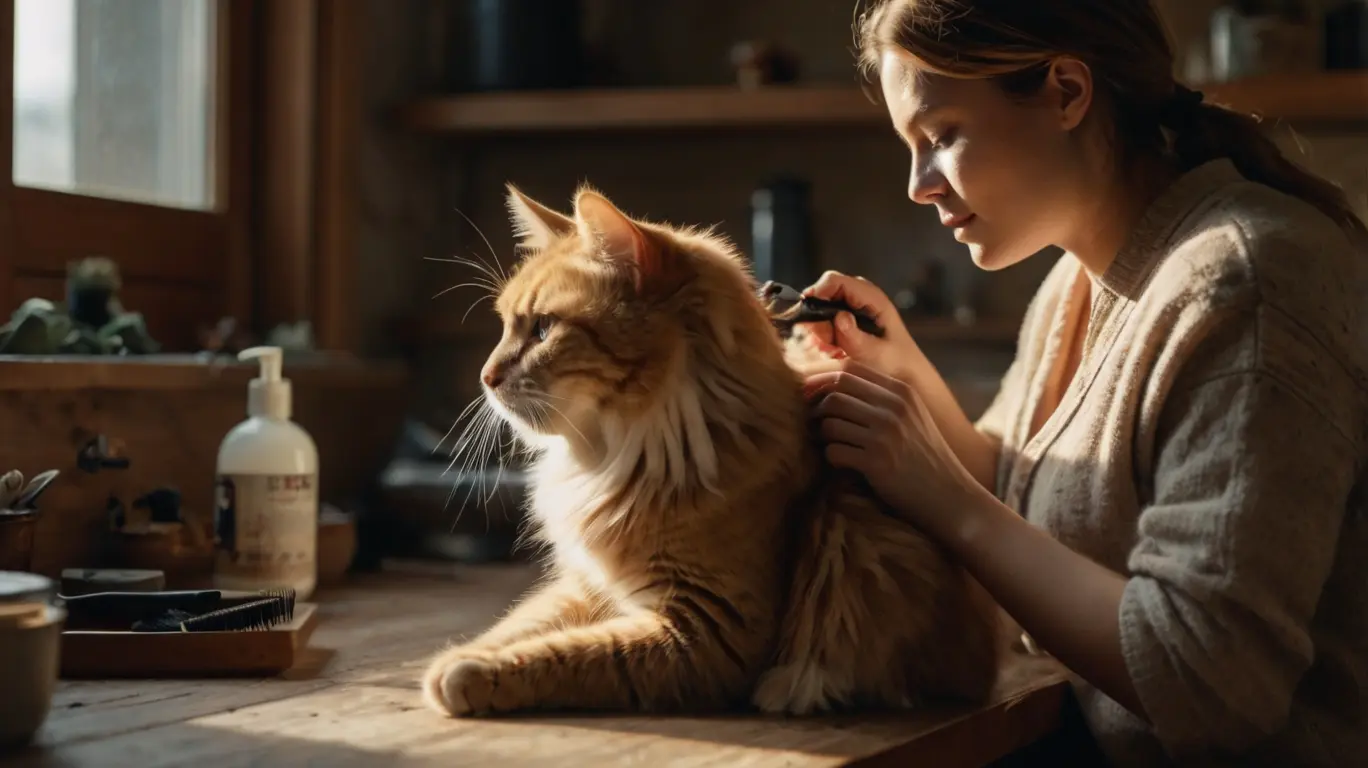
You think you know cats, but seven rare cat breeds might change that. Meet the Lykoi, a “werewolf” hunter with a sparse coat, and the Sokoke, an African stunner with wood-grain stripes. There’s the sturdy, bobtailed Kurilian who loves water, and the LaPerm, wrapped in ripples. Add the plush Selkirk Rex, the elegant American Curl, and the tiger-striped Toyger. Each hides quirks you won’t expect—traits that could match your lifestyle or surprise your assumptions.
Key Takeaways
- Lykoi: “werewolf” look from a natural mutation; sparse roaned coat, doglike shadowing, and keen hunting curiosity.
- Sokoke: Kenyan forest origin; athletic build with khadzonzo “African tabby” pattern and soft, chirpy voice.
- Kurilian Bobtail: Kuril Islands native; pom‑pom tail, sturdy temperament, enjoys leash walks and puzzle toys.
- LaPerm: rippled curls with lightweight mohair texture; affectionate shoulder rider that learns tricks quickly.
- Selkirk Rex: dense, tousled curls including whiskers; mellow, social “teddy-bear” with playful bursts.
Lykoi
A living Halloween mask, the Lykoi is one of the most fascinating rare cat breeds, a natural mutation of the domestic shorthair that gives a striking “werewolf” look. You’ll notice a sparse, roaned coat with patches of bare skin around the face, ears, and legs, which accentuates that feral vibe. This isn’t a designer cross; it’s a spontaneous gene expression that reduces undercoat density and hair follicles.

When you meet one, you’ll get a doglike shadow. Lykoi follow you from room to room, fetch toys, and learn routines fast. They’re curious hunters, so you should enrich their space with climbing spots, puzzle feeders, and sturdy toys. Grooming stays simple: occasional baths and gentle brushing to manage the patchy coat. With regular vet checks and mental stimulation, you’ll keep this captivating oddity thriving.
Sokoke
Born from Kenya’s Arabuko Sokoke Forest, the Sokoke is among the rarest rare cat breeds, springing onto the scene with a lean, athletic frame and a shimmering “African tabby” pattern called khadzonzo. You’ll notice its long legs, narrow waist, and slightly arched back built for agile bursts. The short, close-lying coat feels sleek, emphasizing bold swirling markings and a warm, wood-grain hue.
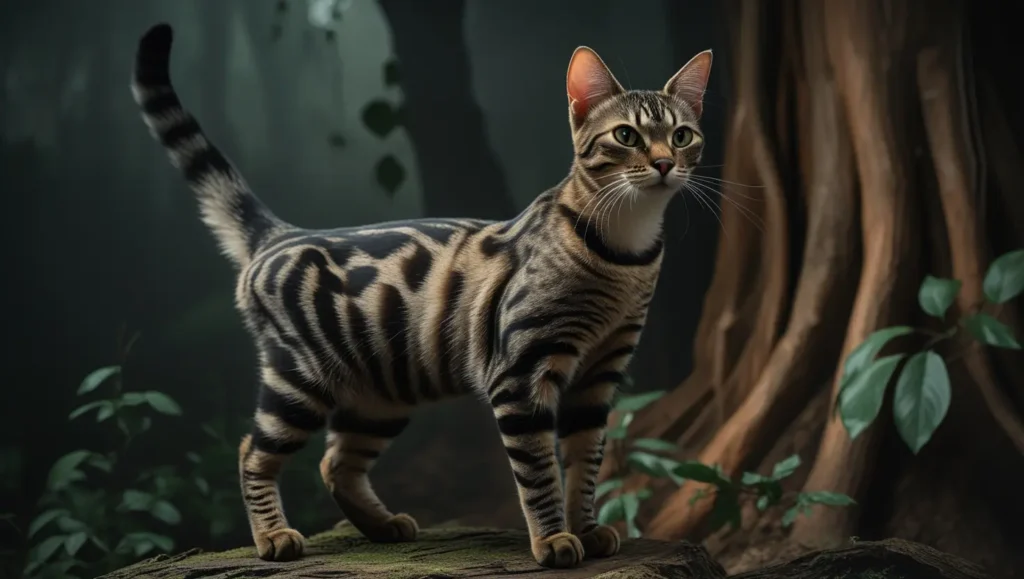
You get an alert, observant companion that bonds closely yet respects your space. The Sokoke prefers interactive play—wand toys, climbing, puzzle feeders—and thrives with daily mental challenges. It’s vocal in a soft, chirpy way, and it reads your mood with uncanny precision. Socialize early, provide vertical territory, and keep routines steady. Grooming stays simple: weekly brushing and nail trims. Offer high-quality protein, and you’ll unlock this forest-born athlete’s bright, steady glow.
Kurilian Bobtail
From the Sokoke’s sleek stride, shift to the Kurilian Bobtail’s rugged charisma—compact power wrapped in a plush, weather-ready coat and that unmistakable pom-pom tail. You’ll spot balance and muscle in every movement. This cat hails from Russia’s Kuril Islands, where fishing villages favored its keen hunting instincts and steady temperament. The Kurilian stands out as one of the most robust rare cat breeds. You get a social, confident companion that bonds deeply without demanding fuss.
- Sturdy build, springy jump, and an expressive bobbed tail that swishes like a tassel.
- Medium-length coat resists matting; weekly brushing keeps it sleek.
- Intelligent and trainable; puzzle toys and leash walks suit it well.
| Trait | Quick Take |
|---|---|
| Temperament | Bold, affectionate |
| Activity | High; loves climbing |
| Coat/Tail | Weatherproof; natural bob |

You’ll admire courage without chaos—adventure, minus drama.
LaPerm
Tumble into the LaPerm’s rippled curls—silky waves and ringlets that spring with every step. You’ll notice a light, airy coat that can be short or long, with texture that feels like mohair. This breed’s spontaneous mutation gives it that signature perm, and the curls can tighten or loosen with seasons and age.
Expect an affectionate shadow. The LaPerm rides your shoulder, taps you for attention, and learns tricks fast. You’ll get chirps, soft trills, and direct eye contact when it wants play or cuddles. Grooming’s simple: finger-comb to preserve curl definition, and bathe sparingly.
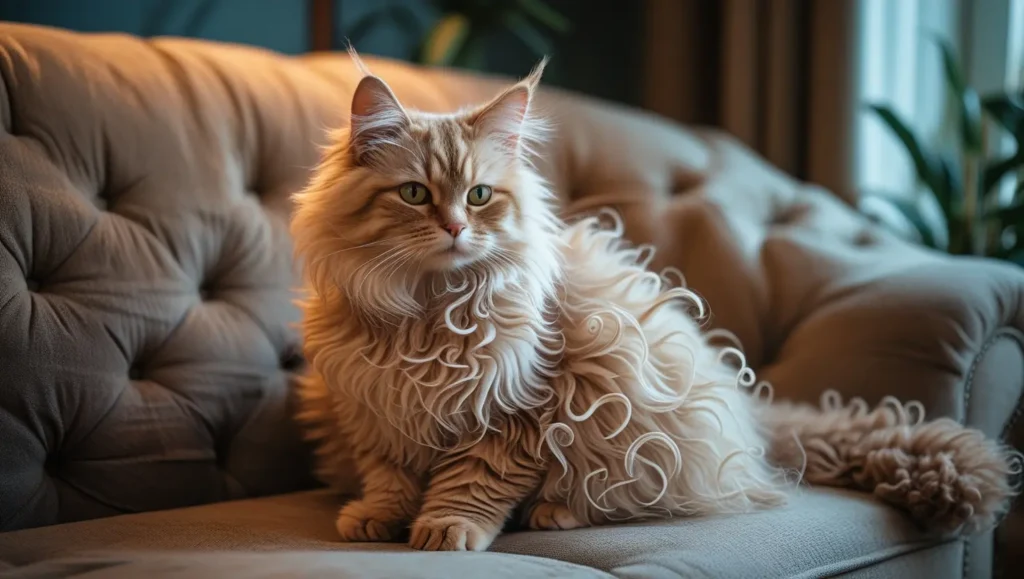
They adapt well to apartments, love puzzle toys, and bond deeply without being clingy. Among the most charming rare cat breeds, the LaPerm shines if you want curious, clever, low-shedding elegance.
Selkirk Rex

Clouds with whiskers—that’s the Selkirk Rex, a plush, curly-coated cat with a teddy bear build and round, expressive eyes. You’ll notice waves on everything: guard hairs, whiskers, even eyebrows. Unlike most curls, this coat can be long or short, yet it stays dense and soft, asking for regular combing to prevent mats without flattening the volume. This mellow charmer, counted among today’s most delightful rare cat breeds, brings playful bursts—affectionate, sturdy, and adaptable.
| Trait | What You’ll See | Care Tip |
|---|---|---|
| Coat | Tousled curls, thick undercoat | Wide-tooth comb weekly |
| Temperament | Easygoing, social, steady | Daily play spurts |
| Size/Build | Medium, muscular, plush | Portion control |
You’ll appreciate their patience with kids and other pets, plus their humorous “bedhead” look. Expect occasional shedding, moderate vocalizing, and strong companionship.
American Curl
Often spotted by their distinctive backward-curled ears, the American Curl pairs a sweet, curious nature with a sleek, moderate build and silky coat. You’ll notice the ears curl back in a graceful arc, never touching the skull, giving this cat an alert, perpetually intrigued look.
You get a social companion that adapts quickly and welcomes guests without fuss. The American Curl is one of the friendliest rare cat breeds, staying playful into adulthood, batting toys and following you from room to room. They’re typically gentle with children and coexist well with other pets when introduced sensibly. Grooming’s simple: brush weekly to manage shedding and keep that gloss. Check ear tips carefully, as cartilage is delicate. Expect soft vocalizations rather than nonstop chatter. With consistent enrichment, you’ll enjoy a balanced, affectionate cat that engages without overwhelming.
Toyger
Sleek and striking, the Toyger channels a miniature tiger’s look without the wild temperament. You’ll notice bold, vertical stripes over warm, glittered fur that shines under light. Bred from Bengals and domestic shorthairs, this cat keeps jungle vibes but lives easily in apartments. Among the most exotic rare cat breeds, the Toyger is an outgoing, trainable companion that loves fetch, leash walks, and puzzle toys.
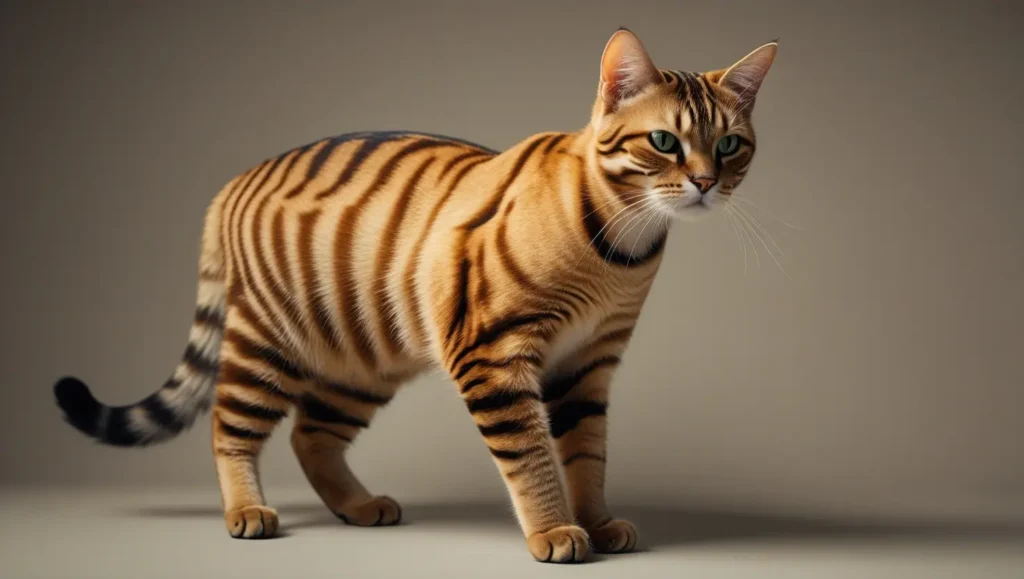
Toyger: a glittered, striped mini-tiger—outgoing, trainable, apartment-friendly, and obsessed with fetch and leash walks
You’ll appreciate their people-focused nature. They follow you from room to room, learn cues with clicker training, and adapt to kids and other pets. Keep their minds busy and their bodies moving to prevent boredom.
1) Enrichment: rotate wand toys, food puzzles, and vertical climbs.
2) Training: teach sit, high-five, and harness walking with treats.
3) Care: brush weekly, trim nails, and schedule routine vet checkups.
Conclusion
You’ve just met seven rare cats that don’t play by ordinary rules. Maybe the Lykoi’s wild vibe hooked you, or the Sokoke’s wood-grain stripes. Perhaps you’re drawn to the Kurilian Bobtail’s fishing charm, the LaPerm’s soft curls, or the Selkirk Rex’s plush teddy-bear look. The American Curl’s backward ears and the Toyger’s mini-tiger stripes seal the deal. If you crave personality and presence, explore these breeds further—you’ll find a companion as unforgettable as they are uncommon.
✍️FAQ
Are Rare Cat Breeds Harder to Insure or Register With Cat Associations?
Yes—rare breeds can be harder to insure and register. You’ll face limited insurers, higher premiums, health exclusions, and stricter documentation. You must provide pedigree proof, genetic tests, and breeder verification; wait times and regional recognition can complicate approvals.
How Do Rare Cat Breeds Affect Household Allergens Compared to Common Breeds?
They don’t inherently reduce allergens; breed rarity doesn’t change Fel d 1 production. You’ll still react similarly. Prioritize individual testing, grooming, HEPA filtration, frequent cleaning, and washing hands. Consider females or neutered males, and bathe or wipe coats to lower dander.
What Ethical Considerations Exist When Breeding for Unusual Feline Traits?
You must weigh welfare over novelty, prioritize health screening, avoid harmful extremes, and ensure genetic diversity. Don’t normalize deformities, secrecy, or overbreeding. You should practice transparent placement, lifelong support, early socialization, and consented breeding that respects behavior, mobility, respiration, and pain thresholds.
Do Rare Cat Breeds Face Higher Risks of Genetic Health Issues?
Yes, they often do. You’re dealing with smaller gene pools, inbreeding, and extreme trait selection. You should ask breeders for health testing, outcrossing practices, and genetic diversity efforts, and plan insurance or screening for breed‑specific conditions.
How Can I Verify a Breeder’s Legitimacy for Rare Cat Purchases?
Verify legitimacy by checking registration with major cat associations, reviewing health testing records, contacting veterinary references, visiting facilities, meeting parents, confirming written contracts and health guarantees, reading independent reviews, avoiding wire transfers, and trusting red flags like pressure or limited transparency.

Sara
Author
Weekly deep-dives and data-backed pieces. Loves research, checklists, and practical frameworks.