

Habits for cat lovers are more than routines—they are the key to keeping cats healthy, stress-free, and truly happy at home. You want simple, reliable habits that strengthen your bond and protect your cat’s well-being. Start by setting a consistent feeding schedule, offering fresh water daily, and keeping bowls and litter boxes clean. Balance wet and dry meals, cap treats, and plan two short play sessions to keep energy levels balanced.
Add puzzle feeders for mental stimulation, sturdy scratching posts for claws, and high perches for safe exploration. Rotate and sanitize beds and toys to keep the environment fresh. Brush regularly to maintain a healthy coat and note any changes in a dated health log. These small routines prevent common mistakes—but one habit most cat owners skip could make the biggest difference of all…
Key Takeaways
- Feed measured wet-and-dry meals twice daily about 12 hours apart; keep treats under 10% of calories and refresh water at every meal.
- Schedule two 10–15 minute play sessions with wand toys; end with a “capture” and small food reward to satisfy hunting instincts.
- Scoop litter daily (twice is better); maintain one box per cat plus one extra, with 2–3 inches of unscented clumping litter.
- Brush coat and teeth routinely—daily for long hair and teeth if possible; pair grooming with praise or small treats to reduce stress.
- Observe and log eating, drinking, litter habits, grooming, and mood daily; sudden changes warrant a vet check.
Set a Consistent Feeding Schedule
Among the most important habits for cat lovers is keeping a consistent feeding schedule. Usually, the simplest way to calm a cat’s world is to feed on a fixed routine: twice a day, about 12 hours apart, in the same spot. When you feed adult cats consistently, their internal clock settles, begging decreases, and scavenging fades.

Use a consistent feeding location and predictable routine so your cat can anticipate mealtimes and you can spot health changes quickly. Measure portions to match ideal body weight and caloric needs; avoid free feeding, since about half of adult cats are overweight. Balanced meals at breakfast and dinner, ideally including wet food, help support hydration and protein intake.
If life shifts, maintain the same schedule whenever possible, adjusting timing gradually over several days. Predictability reduces stress, strengthens trust, and supports healthier daily habits for cat lovers who want to keep their feline companions thriving.
Offer Fresh Water and Clean Bowls Daily
Among the most overlooked habits for cat lovers is maintaining clean, fresh water every day. Daily, refresh your cat’s water and keep bowls spotless to make drinking easy and safe. Offer fresh water at all times and change it at least twice a day to reduce bacterial buildup. Choose a wide, shallow water bowl to prevent whisker fatigue, and wash it with mild detergent daily or every other day, rinsing thoroughly to remove slime and residues. Place multiple water stations near resting spots and the feeding area to boost intake and prevent competition.
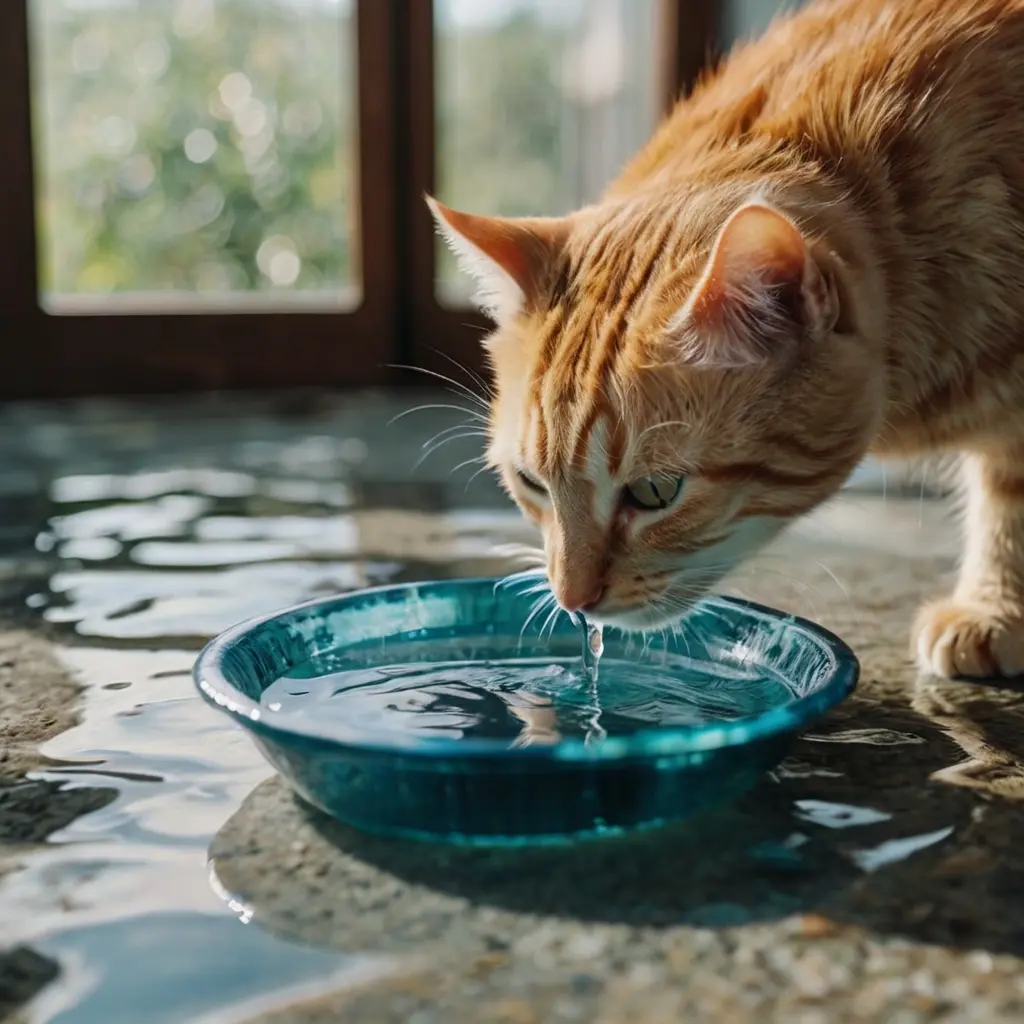
Track drinking patterns, because sudden increases or decreases can signal health issues and warrant a veterinary check. Adding this routine to your daily habits for cat lovers ensures hydration, reduces stress, and protects long-term feline health.
Track drinking patterns. Sudden increases or decreases can signal health issues and warrant a veterinary check.
| Practice | Why it matters |
|---|---|
| Twice-daily water changes | Cuts bacteria and boosts hydration |
| Wide, shallow bowls | Prevents whisker stress |
| Multiple stations | Increases access and reduces conflict |
Balance Meals and Monitor Portions
Consistently feeding two measured meals about 12 hours apart is one of the most effective habits for cat lovers. It curbs grazing, steadies appetite, and helps maintain a healthy body condition. For best results, feed adult cats on a predictable schedule and choose portion sizes based on your cat’s ideal body weight and the food’s calorie density. Aim to maintain a body condition score around 4–5/9.
Combine wet and dry food to support hydration and dental health, but count calories from both. Weigh each meal with a kitchen scale or use a precise measuring cup to prevent overfeeding. If weight drifts up or down, adjust total daily portions by 5–10% over 2–4 weeks and reassess. Keep treats to 10% or less of daily calories and include them in your math.
Tracking appetite, stool output, and mood should also be part of these daily habits for cat lovers, since changes often point to early health problems. When monitored consistently, portion control becomes an easy way to boost health and avoid obesity.
Schedule Interactive Play Sessions
One of the most effective habits for cat lovers is scheduling two brief interactive play sessions each day—about 10–15 minutes each. These moments keep your cat mentally sharp and physically active. Plan sessions at predictable times, such as before meals or in the early evening, to curb early-morning vocalizations and build routine. Use wand or teaser cat toys with quick, erratic movements to mimic prey, prompting stalking, pouncing, and grabbing.

Always let each session end with a satisfying “capture,” then offer a small treat or portion of dinner to complete the hunt sequence. This prevents frustration and creates positive associations. Rotate cat toys weekly—feathers, strings, crinkle, or soft kickers—to maintain novelty and engagement. Even five focused minutes work when you’re consistent. Tracking your cat’s energy and adjusting play sessions to prevent boredom ensures these daily habits for cat lovers truly support health and bonding.
Provide Mental Enrichment and Puzzle Toys
Adding mental enrichment is one of the smartest habits for cat lovers who want to reduce boredom and sharpen instincts. After play sessions satisfy hunting drives, keep your cat’s brain working with puzzle feeders and foraging toys. These transform meals into short “hunts,” requiring 5–15 minutes of effort to slow eating and mimic natural behavior. Rotating designs ensures novelty stays high. Choose puzzles with adjustable difficulty—start with larger openings or fewer compartments, then increase the challenge every 1–2 weeks.
Hide small portions of kibble or treats in 3–6 spots per feeding to spark exploration. Provide two enrichment types daily: interactive puzzle play plus independent foraging for 10–30 total minutes. Watching your cat’s engagement helps you measure success. If your cat ignores puzzles or shows a shift in appetite or weight greater than 5% in a month, try switching tools or consult your veterinarian.

By making enrichment part of everyday habits for cat lovers, you keep meals exciting while supporting physical and mental balance.
Brush Your Cat for Coat and Bonding
Grooming is more than hygiene—it is one of the most bonding habits for cat lovers. Regular brushing supports coat health, prevents mats, and reduces shedding around your home. For long-haired cats, brush daily; for short-haired breeds, weekly is usually sufficient. This simple ritual removes loose hair, distributes natural oils, and allows you to spot early skin issues, parasites, or unusual lumps.
Keep grooming sessions gentle and brief at first, especially for kittens, so they link brushing to positive attention. Use soft tools suited to your cat’s coat, and treat grooming as bonding time—pair strokes with praise or a small reward to reinforce relaxation. Over time, brushing becomes a soothing ritual both cat and owner enjoy.

By including brushing as part of daily habits for cat lovers, you not only keep fur manageable but also lower the risks of hair ingestion and digestive blockages, making it one of the simplest yet most effective routines for long-term health.
Practice Daily Dental Care
Dental hygiene may be overlooked, but it is one of the most essential habits for cat lovers who want to prevent long-term health problems. Ideally, brush your cat’s teeth daily with pet-safe toothpaste to cut plaque and slow periodontal disease. Cats who begin this routine early tolerate it better and often require fewer professional cleanings. Use a small brush or finger brush and keep sessions brief and calm, rewarding after each step to reduce stress.
If daily brushing isn’t possible, aim for every other day. Schedule an annual veterinary dental exam to chart gingivitis or tooth resorption early. Watch for bad breath, drooling, reduced appetite, or pawing at the mouth as warning signs. Prompt evaluation ensures early treatment and comfort. Adding dental care to your everyday habits for cat lovers protects appetite, prevents pain, and promotes overall wellness.
Keep the Litter Box Clean and Odor-Free
Among the most practical habits for cat lovers is keeping the litter box fresh and inviting. Once you’ve built a daily feeding and play routine, apply the same consistency to litter care. Scoop to remove clumps and solids at least once a day—twice is better—to reduce ammonia odors and prevent accidents. Provide the right setup: one box per cat plus one extra, each in a separate quiet location.
Keep litter 2–3 inches deep so cats can dig comfortably without dust explosions. Choose unscented, clumping litter and skip artificial fragrances, as strong odors may repel cats. Ventilate areas with open-topped boxes or adequate airflow. Every 2–4 weeks, dump and wash the box with mild detergent, dry thoroughly, and refill with fresh litter. Including litter box maintenance in daily habits for cat lovers prevents stress, supports hygiene, and keeps your home odor-free.
Create Calm Spaces and Quiet Companionship
Stress reduction is another vital part of daily habits for cat lovers. Even in busy homes, cats thrive when they have access to calm, predictable retreats. Set up at least three designated resting spots, such as elevated perches, tucked-away corners, or sunny window ledges. Adding a cat bed or tree gives your cat freedom to choose safe spots during their 12–16 daily hours of rest.
Protect these areas with consistent low-noise periods, especially mornings and evenings, to lower stress. Create a small refuge room with water, food, and a litterbox, where cats can regroup without forced interaction. Offering two short daily play or interactive sessions near these calm spaces builds trust and strengthens bonding.
By prioritizing relaxation in your habits for cat lovers, you encourage emotional security, reduce accidents, and nurture stronger companionship.
Observe Appetite, Litter Habits, and Mood
Monitoring small daily changes is one of the most protective habits for cat lovers. Subtle shifts in eating, litter use, or behavior often signal health problems early. Make it routine to note how much they eat, scoop and inspect the litter box at least once a day, and track mood and grooming patterns. By recording these details, issues can be identified before they escalate.
- Appetite: Record portions and watch for skipped meals or sudden drops in intake. Weigh weekly to monthly. An unintentional change of more than 5% in a month is significant.
- Litter: Scoop and check the box daily. Note stool consistency, urine color, and odor. Straining or blood warrants prompt veterinary evaluation.
- Mood: Watch for hiding, irritability, vocalization, or reduced grooming—these are stress or pain signals needing attention.
Building this into daily habits for cat lovers ensures health problems are detected early, leading to better outcomes.
Support Mobility With Safe Climbing and Scratching
Creating climbing opportunities is another vital habit for cat lovers who want to support mobility and reduce stress. Cats need safe, supportive ways to reach elevated spots. Offer perches and cat trees at different heights, including at least one high vantage point for security. Build climbing routes with staggered shelves or steps so your cat can ascend safely without risky jumps.

Choose sturdy scratching posts about 30 inches tall, wrapped in sisal, to stretch and strengthen muscles. Secure posts and trees firmly, and add non-slip surfaces to prevent tipping. Encourage daily use by placing resting platforms and scratchers near feeding or litter box areas.
By including mobility support in everyday habits for cat lovers, you promote confidence, reduce accidents, and keep cats active throughout all life stages.
Rotate and Sanitize Beds, Toys, and Gear
Sanitation and variety are also important habits for cat lovers. Routinely rotating and sanitizing your cat’s beds, toys, and gear reduces germs, odors, and stress. Set a weekly rotation so each bed, blanket, and toy rests for 7–10 days before returning to use.
Wash fabric items every 2–4 weeks in hot water (60°C/140°F) when labels allow. Rinse thoroughly, and for hard toys or non-washables, sanitize with a mild bleach solution (1:32 dilution). Always air-dry completely before reuse.
- Clean carriers, mats, and bowls weekly.
- Replace worn or smelly toys.
- Store spare gear in a cool, ventilated spot away from litterboxes.
By weaving cleaning routines into regular habits for cat lovers, you ensure a healthier environment, cut down on bacteria, and keep enrichment fresh and exciting.
Maintain a Predictable Home Routine
A steady rhythm is one of the most reliable habits for cat lovers who want to reduce stress and promote harmony at home. Cats feel calmer when their day is anchored around predictable events like feeding time, play, rest, and litter scooping. For adults, provide two meals about 12 hours apart, with measured portions and fresh water. Schedule interactive play twice daily for 5–15 minutes to satisfy hunting instincts and reduce boredom or accidents.
Consistency in the household also matters. Maintain quiet refuge spots, such as high perches or a cozy single room, so disruptions feel manageable. Brush your cat daily to reinforce bonding, and scoop the litter box each day to keep cues consistent. When unavoidable changes occur, ease transitions gradually with treats, play, or extra reassurance. By including routine as part of daily habits for cat lovers, you provide stability that supports both emotional security and long-term health.
Track Health Changes and Plan Vet Checkups
Monitoring wellness is another essential part of daily habits for cat lovers. Observation should become second nature: scan appetite, drinking, litterbox output, grooming, mobility, and mood. Note red flags such as reduced eating, weight changes, straining, or less grooming. Early attention to these signs often prevents major problems.
Weigh your cat monthly, and if weight shifts more than 5% in one month or 10% over three months, schedule a veterinary visit. Hiding, aggression, or oversleeping also warrant prompt care. Keep a dated health log of vaccines, parasite prevention, dental cleanings, medications, and symptoms.
For adult cats, schedule a yearly wellness exam. For seniors or cats with chronic conditions, aim for twice-yearly visits with baseline bloodwork. Preparing questions and timelines helps your vet act quickly and precisely. By making checkups part of regular habits for cat lovers, you ensure long-term health and strengthen the bond of care.
Scan daily: eating, drinking, litter, grooming, movement, mood—small changes signal big problems. Weigh monthly; call your vet early.
1) Keep a dated health log: vaccines, parasite prevention, dental cleanings, meds, labs, and symptoms.
2) Book a yearly wellness exam for adults; twice yearly for seniors or chronic conditions, with baseline bloodwork.
3) Prepare questions and timelines so your vet acts fast and precisely.
Conclusion
You’ve got the tools to make every day safer, calmer, and more fun for your cat. Stick to steady meals, fresh water, and clean bowls, and keep playtime engaging with toys and puzzles. Support climbing and scratching, rotate and sanitize gear, and keep cozy rest spots ready. Scoop litter daily, keep extras, and brush regularly. Track weight, appetite, and behavior in a simple log, and don’t skip yearly vet visits. Small, consistent habits add up to a happier, healthier cat.
✍️FAQ
What Is the 3 3 3 Rule for Cats?
The 3-3-3 rule means three short play sessions daily, three small meals spaced out, and three-step introductions or observation windows. You build predictable routines, reduce stress, monitor changes, and support adjustment, health, and weight control with consistent, repeated actions.
What Is the 3 3 3 Rule for Cats Reddit?
On Reddit, you’ll see the “3-3-3 rule” as a guideline: expect 3 days of acute stress, about 3 weeks of settling routines, and roughly 3 months for deeper adjustment and bonding—seek help if issues persist.
What Is a Cat’s Daily Routine?
A cat’s daily routine mirrors hunting, eating, grooming, and sleeping. You feed twice daily, refresh water, play 5–15 minutes twice, brush, scoop litter, provide quiet perches, monitor appetite, mobility, and mood, and schedule regular veterinary checkups.
How Do Cats Say “I’m Sorry”?
They don’t apologize like humans. You’ll see slow blinks, gentle head-butting, rubbing, soft purrs with relaxed posture, or grooming licks. They may bring a “gift.” You acknowledge calmly, offer quiet closeness, and resume play to rebuild trust.

Lina
Author
Publishes daily how-to guides and evergreen articles. Focus on clarity, trends, and helpful tutorials.


1 thought on “12 Powerful Habits for Cat Lovers and Owners”