

Cat Games — Want a fitter, sharper cat without fancy gear? Try laser tag sprints, quick hide-and-seek, and a cat-fishing wand for focused pounces. Add puzzle feeders with treat wins, rotate boxes and paper-bag tunnels for ambush fun, and use safe tug toys for controlled bites. Finish with gentle brushing to cool down. Keep sessions short, supervised, and varied, then end on a rewarded note. Cat Games — Curious which game to start with—and how to avoid common mistakes?
Key Takeaways
- Laser tag with a ≤5 mW pointer in a dim room; short sessions, safe routes, and end with a tangible toy or treat.
- Hide-and-seek using familiar hiding spots; signal the hunt, “peek, retreat, repeat,” and reward finds immediately.
- Wand toy “cat fishing” with varied movement and pauses; 5–10 minute sessions, 2–3 times daily, ending with a catch.
- Food puzzle toys to turn meals into hunts; start simple, demonstrate, then increase difficulty and rotate weekly.
- Box and paper bag courses as tunnels and ambush spots; mix sizes, cut doors, refresh layouts, and supervise for safety.
Laser Tag
- Start with a safe tool: pick a low-power Class II or IIIa laser (≤5 mW) with a steady, small dot and adjustable speed—this Cat Games classic builds cardio and focus. See laser play safety.
- Choose a quality laser pointer; check battery, dot stability, and a slow-to-fast toggle for varied pursuit during your Cat Games routine.
- Dim the room so your cat tracks cleanly without glare; set up boxes and chairs to prompt stalking and pouncing.
- Map short routes across floors and furniture; avoid tight spins that strain joints.
- Keep laser sessions short—5–10 minutes—to prevent overarousal in Cat Games sessions.
- Supervise every laser session; never shine it into eyes; store it out of reach afterward (PetMD).
- Vary the path: crawl, pause, dart, then “flee” under or behind obstacles to mimic prey and keep Cat Games engaging.
- Always end each game with a tangible toy or treat.
- Rotate laser play with wand toys, puzzle feeders, and fetch to balance Cat Games intensity.
Hide And Seek
- After the laser’s chase, switch to hide-and-seek to satisfy stalking and pouncing—an easy Cat Games reset that lowers arousal.
- Set the scene: choose familiar hiding spots—behind a door, couch, or box—to cue stalking instincts without scaring your cat (cat play safety).
- Keep it brief: 2–5 minute rounds so excitement stays high and stress stays low during Cat Games.
- Signal the hunt: tap a treat bag, rustle a toy, or whisper their name so shy, indoor kitties learn to seek.
- Peek, retreat, repeat: let those stalking instincts build; cats love to chase what’s partly hidden.
- Vary difficulty: under blankets, around corners, deeper concealment as confidence grows.
- Reward successful finds immediately: high-value treat or quick toy burst; reinforce recall.
- Supervise closely: avoid tight spaces, plastic bags, or trapping hazards.
- Wrap it up positively and play again later to keep Cat Games fresh.
Cat Fishing
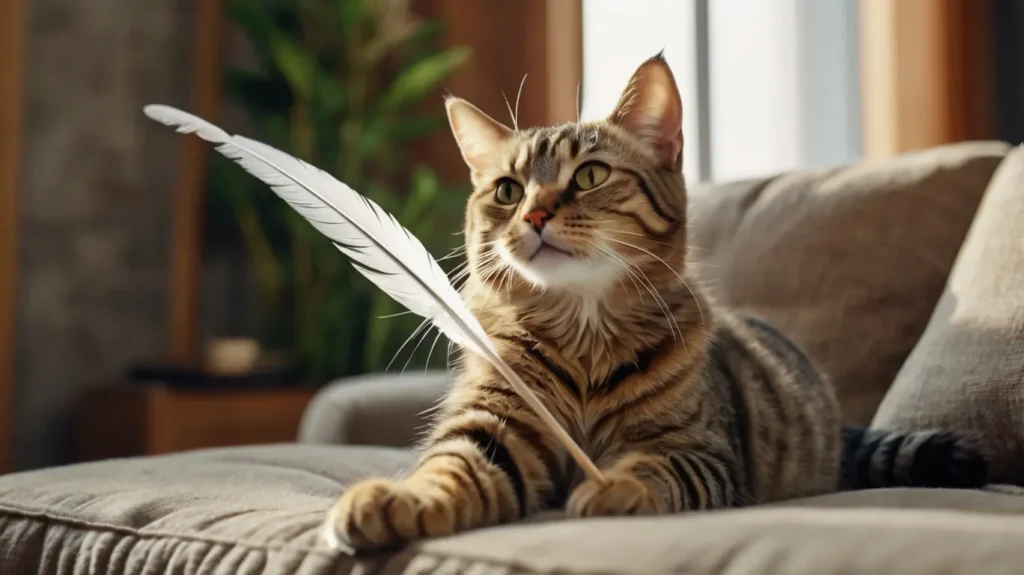
- Cast the lure and spark instinct: use a wand-style “cat fishing” toy (12–24″ rod, 6–12″ string, feather or faux-fur) to mimic prey while keeping fingers safe.
- Start with short frequent sessions: 5–10 minutes, 2–3 times daily. Cats thrive on bursts; you’ll prevent burnout and overstimulation.
- Vary movement to trigger predatory instincts: low sweeps, quick darts, sudden stops. Keep the lure just out of reach to play chase without frustration.
- Mix heights and directions: skim rugs, hop over cushions, then freeze—let your cat stalk, pounce, and grab.
- Watch body language: dilated pupils, tail flicking, flattened ears mean ease up or pause.
| Goal | Your Move |
|---|---|
| Ignite chase | Fast zigzags, low arcs |
| Build confidence | Slow passes, easy catches |
| End on success | Drop a treat or toss a tiny holdable toy |
– Finish every cat fishing session with a tangible “catch.”
Puzzle Toys
- Swap passive feeding for a challenge: puzzle toys turn mealtime into a hunt that slows gobblers and fuels problem-solving for 5–20 focused minutes—ideal Cat Games for rainy days.
- Start simple: choose a puzzle toy with big openings, sliding lids, or levers; show one reward dropping so your cat connects action to payoff ( puzzle feeder guide ).
- Use high-value kibble first; play a quick 5–10 minute demo, then let curiosity take over. Most learn in 1–3 sessions.
- Scale up: tighten settings, add compartments, or swap to rolling designs to entertain your cat and keep your Cat Games engaging.
- Rotate puzzle toys weekly to refresh novelty your cat will love Food Puzzles for Cats.
- Fit matters: match hole size to your cat; small cats need smaller sections.
- Safety first: pick sturdy plastic or wood, avoid tiny parts, supervise early sessions, retire cracked pieces.
Kitty Treats
- Turn puzzle-solving energy into tasty motivation: use tiny, 1–3 kcal treats so you can reward often without blowing daily calories—perfect for shaping Cat Games.
- Pick treats that are pea-sized or thin and crunchy for rapid, repeatable rewards during Cat Games training.
- Keep sessions tight: 5–10 reps, one treat each; end while your cat still wants more.
- Choose quality: skip dyes, excess salt, and fillers. If sensitivities pop up, switch to single-protein options ASPCA cat care .
- Make it a game: scatter a few pieces in safe spots or drop them into puzzle feeders to extend play and mental work.
- Use treats for training: say a cue or click, then deliver the treat instantly ( best cat treats ).
- Fade the food: move to a variable schedule—treat every second or third response—while praising every time.
Boxes And Paper Bags
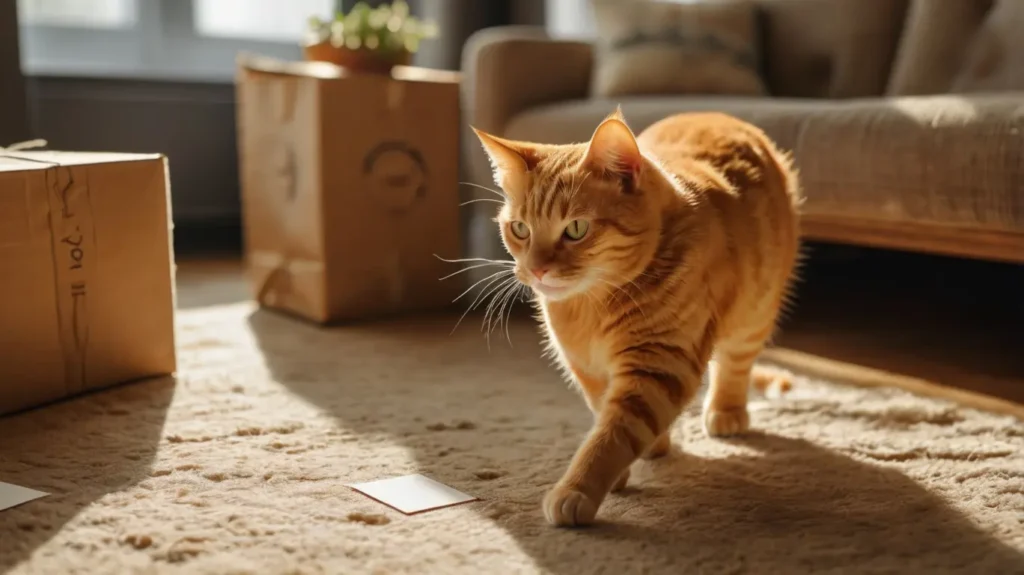
- Grab a plain cardboard box or a handle‑free paper bag and turn it into an instant hideout—cats de-stress in snug spaces and love the crinkle and echo.
- Choose safe gear: plain boxes only, no tape or staples; paper bags without handles; skip plastic entirely.
- Lay paper bags on their side to make a noisy tunnel that invites batting, ambushing, and stealth stalking.
- Build a mini course: mix box sizes, cut side doors, flip some on end, and create jump-and-duck routes.
- Seed surprises: drop a cat toy, treats, or a pinch of catnip inside to spark exploring.
- Rotate setups every few days to keep novelty high and prevent habituation.
- Supervise play, remove sharp edges or loose bits, and discard damaged pieces.
- Snap pics; your cat will nap between bouts of play.
Grooming And Snuggling
- After the box-and-bag Olympics, switch gears to calm connection: groom, then snuggle.
- Brush your cat weekly (daily for long hair) with a slicker or bristle brush to lift loose fur, cut shedding, and stop mats.
- Keep it short: 5–10 minutes, then treats or praise. You’re building vet-visit and nail-trim tolerance.
- While you brush, check for fleas, ticks, skin lumps, and ear debris. Early catches = easier fixes.
- Clip nails every 2–4 weeks. Hold paws gently, trim only the clear tip, never the quick.
- Start snuggle sessions by petting favorite spots: behind ears, under chin, base of tail.
- Watch body language: tail flicks, flattened ears, skin ripples mean pause.
- Finish with quiet cuddles, then a play tease with favorite toys to keep the vibe positive.
Conclusion
- Mix it up: rotate laser tag, wand chases, and hide-and-seek to keep curiosity high.
- Keep sessions short (5–10 minutes) and supervised—quit while your cat still wants more.
- Level up with puzzle feeders and “cat fishing” to challenge brain and paws.
- Drop boxes and paper-bag tunnels for ambush-ready fun on a budget.
- Use tasty treats to reward wins and build confidence.
- Cool down with gentle grooming and snuggles.
- End every playdate calm, rewarded, and happy.
📣 Keep the Fun Going: Try These Cat Games Next
Ready for more Cat Games? Keep your kitty active, sharp, and happy with these step-by-step guides:
- 10 Interactive Cat Games for Happy Indoor Cats — quick setups, low gear, high engagement.
- Cat Games to Play with Your Cat — fresh ideas to rotate all week.
Tip: Keep sessions short, end on a win, and rotate Cat Games to prevent boredom.
Frequently Asked Questions
What Are Fun Games to Play With Cats?
Play laser tag 5–10 minutes; finish with a toy or treat “catch.”
Work wand toys in prey-like bursts.
Use puzzle feeders for 20–30% of kibble.
Rotate boxes for hide-and-seek.
Train quick fetch with rewards.
What Is the 3 Old Cat Game?
It’s a three-item enrichment challenge using toys or treats to spark stalking, pouncing, problem-solving.
Set easy, medium, hard retrieves; rotate toys and locations.
Play 5–10 minutes, watch fatigue, use pea-sized treats, ensure toy safety.
What Is the Game to Stimulate Cats?
Play short stalking-and-pouncing wand sessions (2–5 minutes); mimic prey.
Add laser tag, then let them “catch” a toy or treat.
Use puzzle feeders daily.
Offer boxes and bags.
Rotate motion/tablet toys for 5–10 minutes.
What Are Fun Activities for Cats?
Try laser sessions 5–10 minutes; finish on a toy or treat.
Use wand toys to mimic prey; watch for overstimulation.
Offer puzzle feeders.
Deploy boxes and paper bags.
Do short clicker training or recall games.

Written by Mehdi
Cat enthusiast and founder of CatLave.com. Sharing love, tips, and AI art about all things feline!
3 thoughts on “7 Fun Cat Games Every Owner Should Try Today”